Introduction
A primary PC case may have a greater impression when it comes to your computer than you think. Though it may not get as much attention as the processors, graphics card and memory, the “case” is the base that supports all of the elements in your system. A good case may be employed to keep the temps down, to make cable management much smoother, for airflow and to allow space for future upgrades.
PC cases has evolved a great deal from what it is now. Compared to present day models, they offer better looks, quieter sound, intelligent assemblage which can be achieved easily and better maintenance, in addition to better cooling. Whether you are building a professionally designed workstation, a high-performance gaming computer, or just a home PC, one of the most important decisions that you'll make is what type and brand of case you get.
Why a PC Case Is More Important Than You Think
A computer case is a lot more significant than you would believe.
Many first time case builders see performance as their top priority and the case is an afterthought. However, its impact of the case is immense as it affects practically every facet of the way the computer functions.
A sound case will boost the correct airflow and enable hot computer air to flow outside of the system. This results in lesser air flow that keeps the temperature cooler, reducing device cost over life cycle down through improved operation. Enhanced air flow also reduces thermal throttling, meaning the parts won't throttle back due to excessive temperatures.
Factor likewise impacts on the simplicity of system mounting and its upgrade capability. With a well-designed case, you can find more space for running your cables, installing storage drives, and access your components for upgrades when necessary.
Plus, the deliverance enshrines the computer screen's look and feel. Many like to have their devices shine and radiate their light through clear glass plates. Others prefer that it be streamlined and sleek, and fit for a business setting.
Understanding Different Types of PC cases
PC Cases are available in a variety of sizes, catering to various user groups and configurations.
Most consumers have a full tower as the largest size they can have. They come with plenty of space for installing high end graphics cards, multiple HDDs, custom water cooling systems and gigantic mother boards. These are the most popular cases thanks to their high level of flexibility and expansion possibilities.
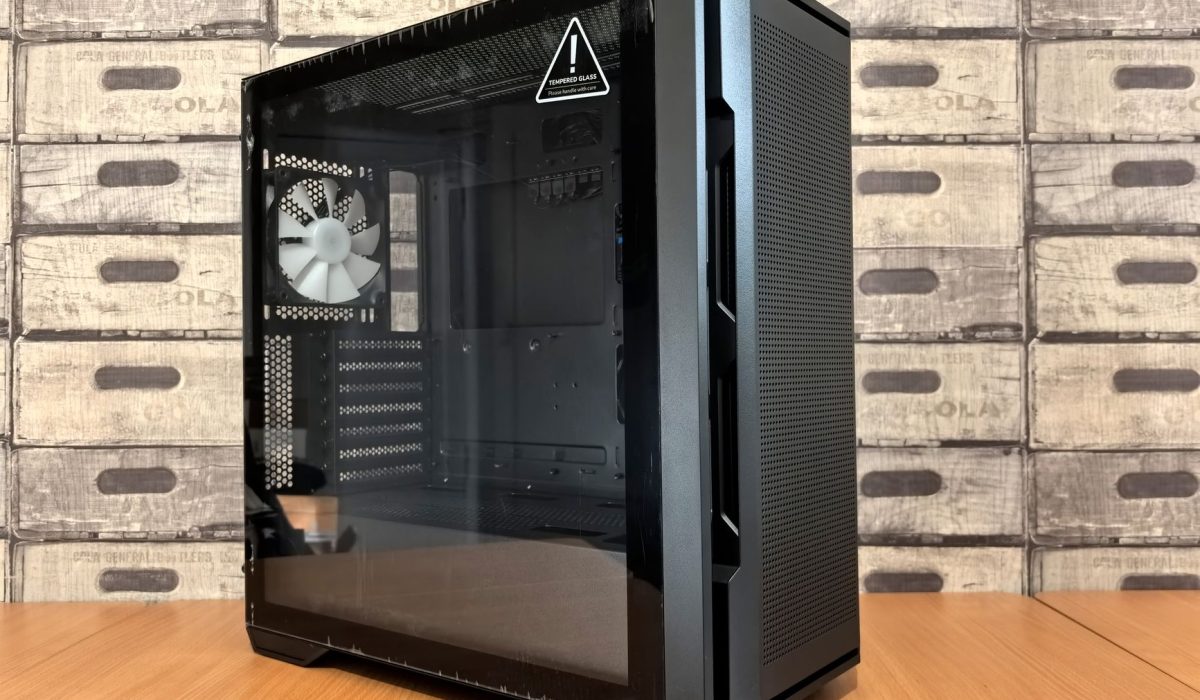
The most popular PC Tower Cases are the Mid tower. They're just about the perfect solution in terms of size, compatibility and price. In most cases, one could use a good case to house a gaming or productivity computer with a good tower.
Mini tower cases will be used in smaller set-ups. They accommodate the small motherboards, and take up less space on a desk but still offer sufficient space for common hardware elements. These are the perfect type of cases for individuals that want a smaller size but can't compromise on performance.
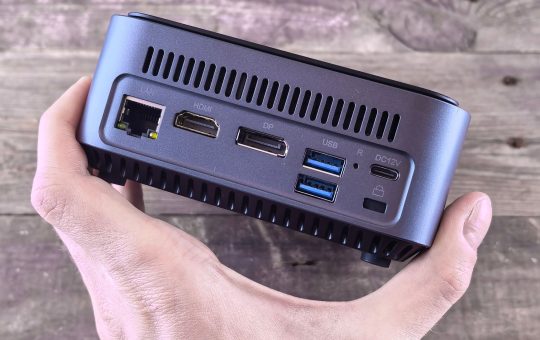
The main goal with small form factor cases is to make it as small as possible. They are perfect for individuals that are short on space or move their systems regularly. However, the space may not be as readily available in these situations, and the outcome is often not because less space is available.
Features That Define the Best PC Cases
Not all 'PC' scenarios are created equal! There are a number of things that makes average models exceptional.
Air flow is one of the major factors to be taken into account. Meshed front panels let the cool air flow freely to the internal parts while solid front designs don't offer as much air flow. The higher the air flow above the surface, the greater the cooling and thus the greater the work available from the surface.
Another gigantic aspect has to do with cable management. New ones often have routing channels as well as concealed compartments and tie-downs for cable organization. The interior won't only appear nice, it will also be capable of improving the airflow.
Careful consideration should also be given to the cooling compatibility. Some cases are designed for the installation of large air coolers and some of the cases have been designed for liquid cooling systems. Knowing the places of radiator support as well as fan mounting can help save compatibility problems in the future.
Long-term satisfaction is greatly due to quality construction. Sturdy-cased cases are likely to be more durable to use and generally will assemble more easily. Tools free installation systems and removable panels can help the building process along.
Another important consideration is storage options. As many uses now use solid state drives these days, having improved mounting points just in case of the addition of hard drives is still advantageous.
Tips on Choosing The Very best Gaming Case
Gaming PCs require a little bit of type of equipment that will extraordinary from a regular professional machine. Of course, today's graphics cards generate a lot of heat and require a healthy amount of air flow to get the most out of them.
Great ventilation is crucial for any case, especially a gaming case. Long playing times are not an issue as the construction has a large mesh and there are a number of mounting holes for the fans to prevent overheating.
The ability to accommodate a big graphics card is also significant. Many GPUs have their clearance specifications differ from the size so don't forget to look for this prior to purchasing the case.
The gamers also sign up for references to appearance for added price than do others. Builders can demonstrate their systems and make use of a variety of light supports with RGB colours in side panels of tempered glass etc. It might not be exactly a necessity, but many new-age cases today end up incorporating both looks and utility.
Volume could also be a problem for those who sit in front of a computer for a lot of their time, creating video games. Airflow designs, and sound dampening materials, can help to keep an environment quieter.
Common Mistakes to Avoid When Buying a PC Case
Picking the incorrect case can cause aggravation while building and restrict you later.
Most people get this wrong – they go for looks rather than any other consideration. Even a stunning look can't compensate for inadequate ventilation and space to accommodate crucial elements.
One of the other common pitfalls is not checking hardwares for compatibility. Please check Motherboard Support, Graphics Card Clearance, Power Supply Clearance and CPU Cooling Clearance before purchase.
Also failing to consider future upgrades can be an issue. What may be today's small case could turn to become a future hindrance to expansion. In times, it is advisable to have a little case.
This is something that some users will ignore and neglect—airflow, cooling support. High-performance equipment produces a large amount of heat which can cause heat to rise and equipment to perform less efficiently when the ventilation is inadequate.
Finally, there is a poor consideration of cable management, making inside the router cluttered, handling of the maintenance and upgrading difficult.
How to Find the Best Value Among PC Cases
Value does not necessarily imply the best value for money is the lowest priced option. Choose the case that offers the ultimate in features, quality and durability per dollar.
Low cost systems can have significant performance and features even if using low cost cases. Many low-cost models are equipped with air flow designs and other attributes that were previously part of higher-priced models.
Sometimes, it's actually the midcards that are worth the most. They are more finished, have better cable management, aesthetics, materials and cooling support, etc., but none of these are mind blowing.
Enthusiasts looking for the highest quality build, better cooling and special features will prefer premium cases. Though they are not always needed for every build, they can bring a more enhanced user experience for those who value craftsmanship and customization.
Don't just look at the cost of cases, think about what they will be used for in the years to come. A strong casing will also be able to hold up for generations of hardware, and will enable additional improvements in the future.
Final Thought
Deciding which of the best cases for a computer is best for you involves many considerations which include performance, compatibility, style and budget. Good casing will provide for good ventilation, cable routing, durability and space for future enhancements. These contribute to a better building experience and enable your building components to function best.
This best case will differ depending on your needs, if you're making a game set up, production server, or simply a home computer for everyday use. Having a say in choices that are offered and appreciating the importance of practicality, you can select an instance that will benefit your system much and will last for a while.
FAQs
What makes a PC case one of the best pc cases?
A high-quality PC case offers excellent airflow, strong build quality, easy cable management, and compatibility with modern hardware.
Is a larger PC case always better?
Not necessarily. A larger case provides more room for upgrades and cooling, but a smaller case may be a better choice if space is limited.
Do PC cases affect computer temperatures?
Yes. The design of a PC case can significantly influence airflow and cooling performance, which directly affects component temperatures.
Are mesh front panels better than solid front panels?
In most situations, mesh front panels allow better airflow and help maintain lower internal temperatures.
How long does a PC case typically last?
A quality PC case can last many years and often remains useful through several hardware upgrades.
Can I install liquid cooling in any PC case?
No. Liquid cooling support varies between models, so it is important to check radiator compatibility before purchasing.
Are expensive PC cases worth the extra money?
Premium cases often provide better materials, improved cooling options, and enhanced usability, making them worthwhile for many builders.