Understanding mini computers
mini computers have gained significant popularity in recent years as technology continues to become smaller, faster, and more efficient. Many people assume that a powerful computer must be large and bulky, but modern innovations have proven otherwise. Today, compact computing devices can deliver impressive performance while taking up only a fraction of the space required by traditional desktop systems.
These small yet capable machines are designed to perform many of the same tasks as standard desktop computers. They can handle office work, web browsing, media streaming, content creation, programming, and even certain gaming applications. Their compact size makes them an attractive choice for users who want to save space without sacrificing functionality.
As remote work, digital learning, and home entertainment continue to evolve, more individuals and businesses are exploring alternatives to traditional computer setups. This growing interest has helped mini computers become a practical solution for a wide variety of computing needs.
How mini computers Work
At first glance, mini computers may seem too small to provide meaningful performance. However, advances in hardware engineering have allowed manufacturers to pack powerful components into remarkably compact designs. Modern processors, solid-state storage devices, and energy-efficient cooling systems make it possible for these systems to operate effectively despite their small size.
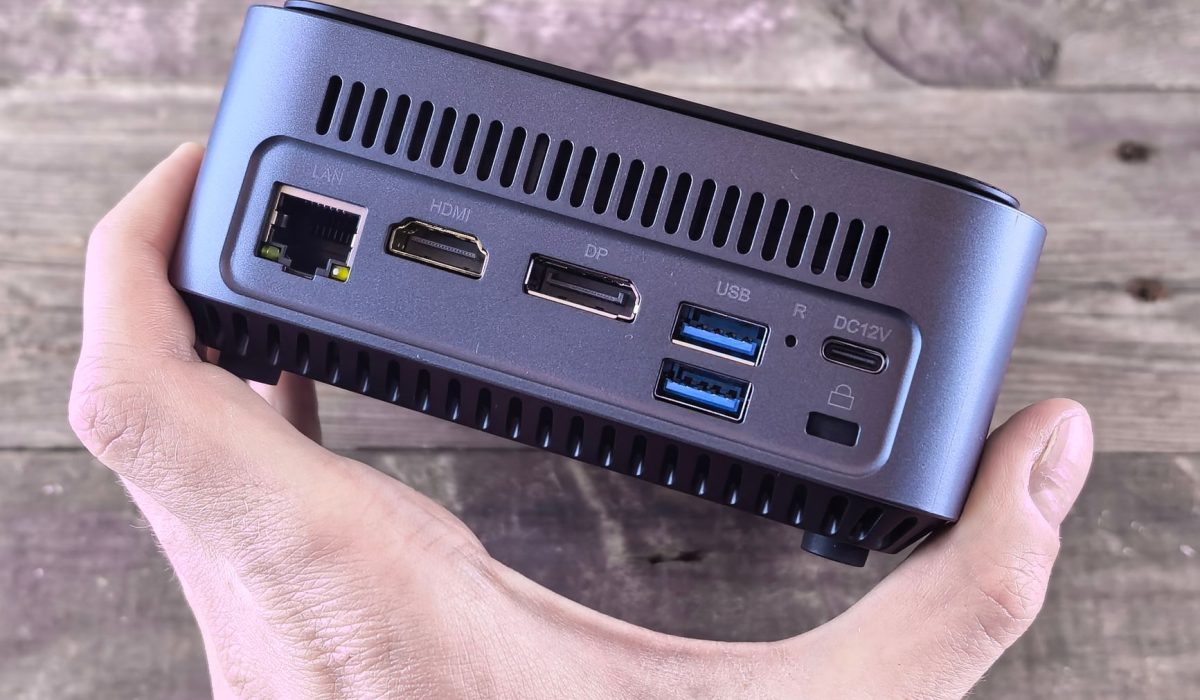
Most mini computers include a processor, memory, storage drive, graphics capabilities, networking components, and multiple connectivity ports. They connect to external monitors, keyboards, and mice, functioning much like traditional desktop computers.
Unlike laptops, mini computers typically do not include built-in displays or batteries. Instead, they are designed to serve as stationary workstations while occupying minimal desk space. Some models are small enough to be mounted behind monitors, creating a clean and clutter-free workspace.
The efficiency of modern hardware allows these systems to run smoothly while consuming less power than many conventional desktops. This combination of performance and efficiency has made them increasingly attractive for both personal and professional use.
Advantages of mini computers
One of the most obvious advantages of mini computers is their size. Their compact form factor makes them ideal for small offices, apartments, classrooms, and workspaces where every inch of desk space matters. Users can enjoy the benefits of a full computer without dedicating a large area to hardware.
Energy efficiency is another major benefit. Because they use components designed to consume less power, these systems often have lower electricity costs than larger desktop computers. Over time, this can result in noticeable savings for businesses and individuals alike.
Portability also contributes to their appeal. While they are not as mobile as laptops, mini computers can be transported much more easily than traditional desktop towers. Professionals who need flexible workstations may appreciate the convenience of moving a compact device between locations.
Many users are surprised by the performance capabilities available in modern compact systems. Advanced processors and fast storage solutions allow these devices to handle multitasking, productivity software, media consumption, and other demanding applications efficiently.
Noise reduction is another advantage. Since many mini computers are designed with efficient cooling systems, they often operate more quietly than larger desktops. This creates a more comfortable environment for work, study, and entertainment.
Their sleek appearance also appeals to users who prefer minimalist workspaces. Compact systems contribute to cleaner desk setups while maintaining the functionality expected from modern computing devices.
Common Uses for mini computers
The versatility of mini computers has contributed significantly to their growing popularity. They can be used in a wide range of environments and for many different purposes.
In home offices, these devices provide enough power for productivity applications, video conferencing, and multitasking. Their small footprint allows users to create efficient workspaces even in limited areas.
Educational institutions often use compact computers in classrooms and computer labs. Their space-saving design makes it easier to accommodate multiple workstations while maintaining organized learning environments.
Businesses frequently deploy mini computers for administrative tasks, customer service stations, and digital signage systems. Their reliability and energy efficiency make them cost-effective solutions for various commercial applications.
Home entertainment is another area where these systems excel. Many users connect compact computers to televisions to stream content, browse the web, or create media centers. Their quiet operation and small size make them ideal additions to living rooms.
Developers and technology enthusiasts often appreciate mini computers for programming, testing environments, and server-related tasks. Certain models can function as lightweight servers, network controllers, or automation hubs for smart homes.
Creative professionals may also benefit from higher-end models capable of handling graphic design, photo editing, and video production workloads. Although performance varies by model, many compact systems are surprisingly capable.
Factors to Consider Before Buying
Choosing the right mini computer requires careful evaluation of individual needs and expectations. Performance requirements should be the first consideration. Users who primarily browse the internet and use office applications may not need powerful hardware, while content creators and professionals may require more advanced specifications.
The processor is one of the most important components to evaluate. Modern multi-core processors provide better multitasking performance and help ensure smooth operation across various applications.
Memory capacity also plays a critical role. Adequate RAM improves responsiveness and allows users to run multiple programs simultaneously without experiencing slowdowns.
Storage options should be considered carefully as well. Solid-state drives offer faster performance and quicker system startup times compared to traditional hard drives. Many users prioritize SSD storage for improved overall responsiveness.
Connectivity is another important factor. Buyers should ensure that the system includes enough USB ports, display outputs, wireless capabilities, and networking options to support their intended setup.
Upgradeability may also influence purchasing decisions. Some mini computers allow users to upgrade memory and storage, while others have more limited expansion options. Understanding future requirements can help determine whether upgrade flexibility is important.
Budget naturally affects the selection process. Fortunately, compact computers are available across a wide range of price points, making it possible for users to find solutions that match both their needs and financial constraints.
The Future of mini computers
The future of mini computers appears extremely promising as technology continues to advance. Improvements in processor efficiency, graphics capabilities, and cooling technologies are allowing manufacturers to deliver increasingly powerful systems in smaller packages.
Artificial intelligence is expected to play a larger role in future computing devices. Compact systems may benefit from AI-enhanced performance optimization, improved energy management, and smarter resource allocation.
Cloud computing and remote work trends are also influencing product development. As more tasks move online, compact systems can serve as efficient access points for cloud-based applications and services.
Enhanced connectivity standards will continue to improve user experiences. Faster wireless technologies, improved networking capabilities, and support for multiple high-resolution displays will make mini computers even more versatile.
Sustainability is another important consideration. Energy-efficient designs align well with growing efforts to reduce environmental impact. Manufacturers are increasingly focused on creating devices that consume less power while maintaining strong performance.
As these trends continue, compact computing systems will likely become even more capable, affordable, and widely adopted across homes, schools, and businesses.
Final Thought
mini computers have transformed the perception of what a compact device can accomplish. Once viewed as limited alternatives to traditional desktops, they have evolved into powerful and versatile systems capable of handling a wide range of tasks. Their combination of performance, efficiency, portability, and space-saving design makes them appealing to students, professionals, businesses, and everyday users.
Whether used for productivity, entertainment, education, or specialized applications, these compact devices offer practical solutions for modern computing needs. As technology continues to improve, mini computers are expected to become even more powerful while maintaining the convenience and flexibility that have made them increasingly popular around the world.
FAQs
What are mini computers?
mini computers are compact desktop computing devices that provide many of the same functions as traditional desktop computers while occupying significantly less space.
Are mini computers powerful enough for everyday use?
Yes. Most modern mini computers can handle web browsing, office applications, streaming, video conferencing, and general productivity tasks efficiently.
Can mini computers be used for gaming?
Some high-performance models can support gaming, although gaming capabilities vary depending on the processor and graphics hardware included.
Do mini computers require a monitor?
Yes. Most mini computers connect to external monitors, keyboards, and mice because they do not include built-in displays.
Are mini computers energy efficient?
Yes. They typically consume less electricity than traditional desktop computers due to their compact and efficient hardware designs.
Can mini computers be upgraded?
Many models allow upgrades to memory and storage, although upgrade options vary between manufacturers and models.
Are mini computers suitable for business use?
Yes. Many businesses use mini computers for office work, customer service stations, digital signage, and other professional applications.
How long do mini computers last?
With proper maintenance and suitable hardware specifications, mini computers can remain useful and reliable for several years.